

with Elizabeth Rotoff
Nutrition in Volos, Greece at the International Orthodox Theological Association
As I mentioned in my last blog, presenting a paper in Volos, Greece as part of the International Orthodox Theological Association’s Conference was a big motivator to start a webpage and blog. So I thought, why not give you an excerpt of the paper I presented.
Above is a photo of the conference attendees at the Church of Saints Constantine and Helena.
I wish my presentation had been recorded so that I could share it, but I’ll do a brief overview in this blog.
My paper was part of one of two sessions on creation care. In these sessions there were presentations on care for animals and the environment as part of our Christian duty as stewards of the earth. My focus was on care of the human being through nutrition.
“For no one ever hated his own flesh, but nourishes and cherishes it, just as the Lord does the church.”
-Ephesians 5:29
An Eastern Orthodox Perspective On A
Whole Food Plant-Based Diet
The Eastern Orthodox Church takes a holistic view of the person involving the whole being – body, mind and soul. St. Paul says, “The body is a temple of the Holy Spirit.”
As such we have a responsibility, a stewardship, to look after the health of our body, just as the Lord nourishes the church, we need to nourish the physical body God has gifted us with, so that we can better serve God.
Unfortunately in the 20th and 21st centuries we have fallen short.
Biblically, as told in Genesis: God did not create humans as meat eaters:
"And God said: Behold, I have given you every seed-bearing herb sowing seed, which upon all the earth and every tree that hath in itself the fruit of seed that is sown, to you it shall be for food" (Gen 1:29)
"And the Lord God commanded Adam, saying, "of every tree which is in the garden thou mayest eat for food" (Gen 2:16)
After the fall people began to hunt and eat meat, perhaps as a matter of survival. Then after the flood God granted an oeconomia by allowing Noah and his descendants to eat meat.
However, meat was still eaten in small quantities and livestock were smaller and less fatty (the average size of a sheep was about one third of what it is today). For most people it was saved for feasts and was only commonplace to eat amongst the rich.
A Change In Diet
In the 20th century, especially post-WWII, saw a time of abundance and growing convenience.
What is now known as the Standard American Diet (SAD) has spread to most industrialized countries over the last 50 years .
There have been changes in the food industry including factory farming and the production of ultra processed foods. This, along with blatant advertising campaigns and lobby groups from these industries has promoted an excessive consumption of animal products and ultra-processed foods that have taken a toll on the health of body and mind of most of the developed world.
St John Cassian said about a proper diet as God intended:
“All this is contrary to nature, for the Creator has ordained the same natural way of life for both us and the animals. “Behold,” says God to man, “I have given you every herb of the field, to serve as food for you and for the beasts.” Thus we have been given a common diet with the animals; but if we use our powers of invention to turn this into something extravagant, shall we not rightly be judged less intelligent than they?
- Ascetic Discourses, Philokalia, Vol. 1.
By these inventive ways to create food-like substances and to make animals a commodity people are being overfed and under-nourished. We are now experiencing two generations that do not know how to eat properly.
Obesity, cardiovascular disease, type 2 diabetes, cancer autoimmune diseases and even mental illness are not diseases that just happen. These are all direct consequences of food industry practices which are at odds with the tenets of the Orthodox Church.
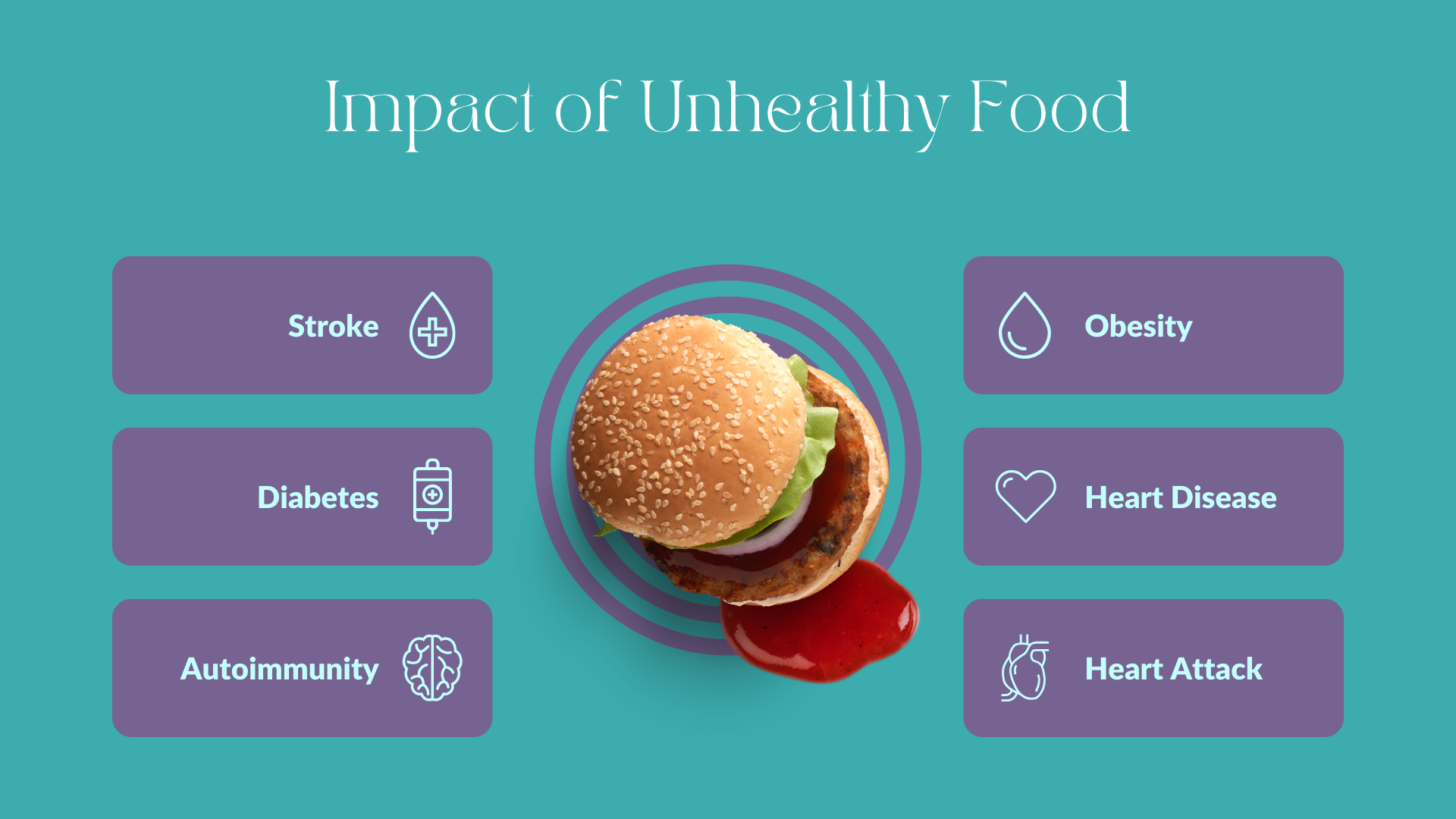
Food companies seek profit and design products to be hyper-palatable or “craveable” over the health and well-being of people.
That is where a whole food plant-based diet comes in.
What is a Whole Food Plant-Based Diet
A whole food plant-based diet is one that emphasizes close-to-nature, minimally processed foods and greatly reduces or eliminates animal products including: meat, seafood, eggs and dairy products.
It emphasizes eating fruits, vegetables, beans and legumes, whole grains, and small quantities of nuts and seeds.
There is an abundance of scientific evidence to support the health benefits of a whole food plant-based diet. It can prevent, halt and in some cases even reverse chronic diseases.
This way of eating is really the way our Holy Fathers ate.
The early desert Fathers, like Anthony the Great, who ate dates, bread and whatever vegetables they grew themselves.
St. Seraphim of Sarov in the forests of Russia
Even to St. Herman of Alaska who in the harsh Northern Climate lived on a diet of blackberries, mushrooms and vegetables.
Fasting and a Whole Food Plant-Based Diet
Eating a whole food plant-based diet is especially important to be able to make transitions from non-fasting periods to fasting periods without a huge shock to the system.
With the advent of ultra-processed foods, margarine, shelves full of processed oils that offer an alternative to olive oil, and simulated animal products, one can technically abstain from animal products and olive oil, but still indulge in over-eating.
These foods can lead to food addictions that can cause not only physical, but spiritual damage.
Fasting in our modern age can lead to losing the essence of the intent of fasting in controlling one's appetite.
However, fasting is easier when one is healthy.
By adopting a whole-food plant-based lifestyle one can reclaim health, and can allow small amounts of meat and processed food consumption during non-fasting times if one desires.
Stewardship of the Planet
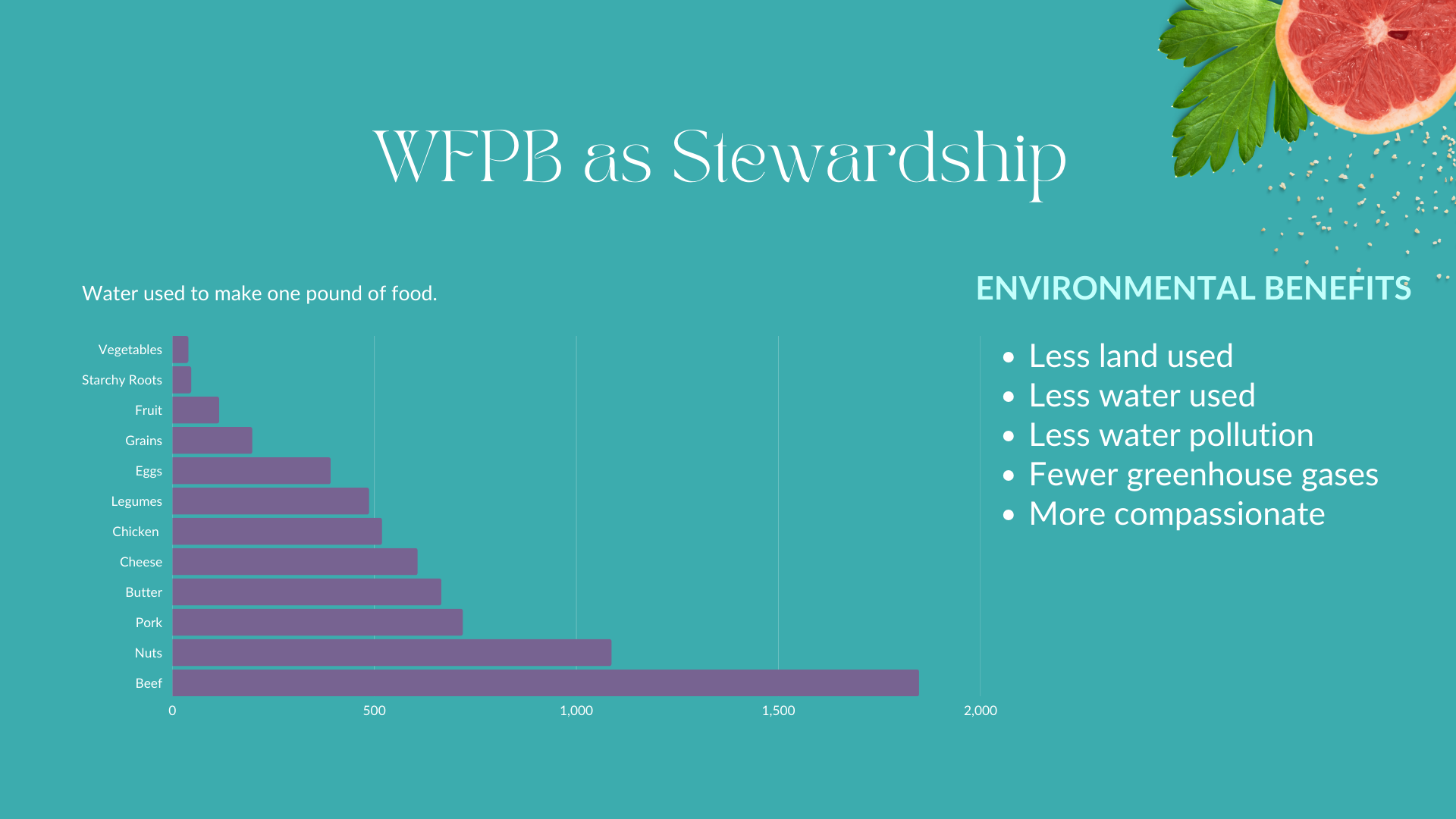
Switching to a whole food plant-based lifestyle is not only beneficial for our health, but also for the planet.
Environmentally, the impact involves less water usage and cleaner water, less land needed,and fewer chemicals in growing food and industrial food production.
Creature care is maintained with cleaner waterways, lakes and oceans for aquatic animals, and animals not treated inhumanely as commodities, with little care for their lives.
Conclusion
By having a better basic understanding of nutrition, Eastern Orthodox Church leaders can more effectively counsel their parishioners and have resources available to them for successful fasting, especially since fasting is such a huge part of the Orthodox life.
Fasting with a whole food plant-based diet is achievable to all regardless of health condition. In fact, when done correctly, as shown in today’s presentation, this is exactly the healing that adopting this way of eating, not just during the fast, but as a way of life can provide together with prayer and almsgiving for the truly holistic Orthodox approach to for the well-being of body, mind, and soul.
If you are interested in a presentation or workshop for your church organization, please contact me.
info@elizabethrotoff.com
Newsletter
Subscribe now to get weekly updates.
Member of:



© 2025 Elizabeth Rotoff Voice and Wellness. All rights reserved.

